publication / September 2, 2026
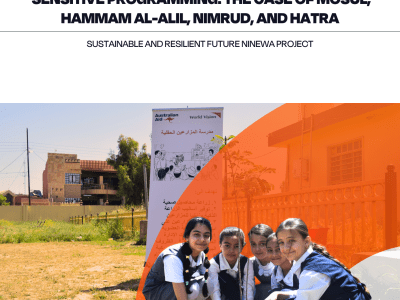
Context and Conflict Analysis: Sustainable and Resilient Future Ninewa Project
Explore World Vision’s Context and Conflict Analysis for Ninewa, Iraq, examining conflict dynamics, livelihoods, climate pressures, inclusion, and opportunities to strengthen resilience and social cohesion.
press release / September 2, 2026
‘I left everything behind’: Nepal flash flood, children face trauma, displacement and uncertainty and growing protection risks
As the humanitarian crisis deepens, with more than 1,000 confirmed fatalities and thousands still missing, strengthened child protection measures are urgently needed to support displaced children and their families.
press release / September 2, 2026
Two in Three Ukrainian Children Missing School Say Shelling Is the Reason
Two in three Ukrainian children miss school because of shelling or fighting, according to a needs assessment by World Vision.

article / September 1, 2026
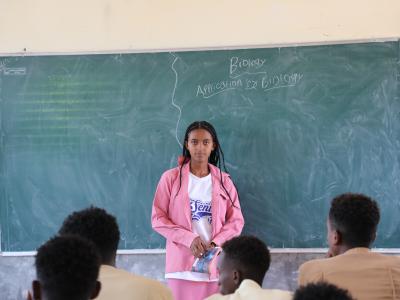
Dreaming Beyond the Classroom
Yadani, a Grade 12 student with dreams of becoming a mechanical engineer, is pursuing her ambition through physics after improvements to her school's learning environment gave students greater opportunities to thrive.
article / August 21, 2026
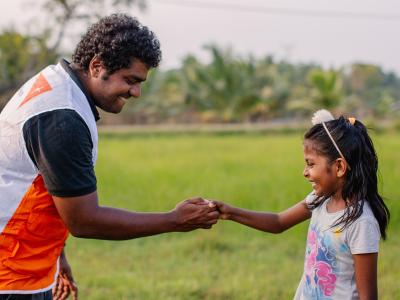
Standing with Children Through Crisis and Recovery
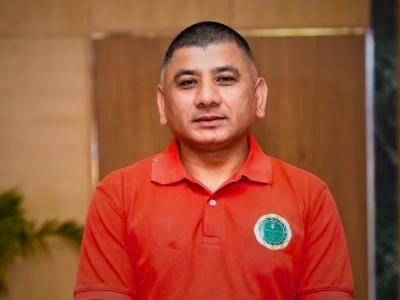
Having lived through the 2015 earthquake himself, Surendra Ratna Shakya has dedicated his career to supporting vulnerable children and families through crisis and recovery.
publication / August 20, 2026
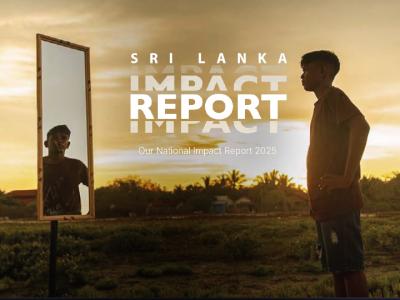
WV Sri Lanka Impact Report 2025
Explore World Vision Sri Lanka’s 2025 Impact Report and discover the stories, progress and impact created alongside children, families and communities across Sri Lanka.
landing page / August 18, 2026
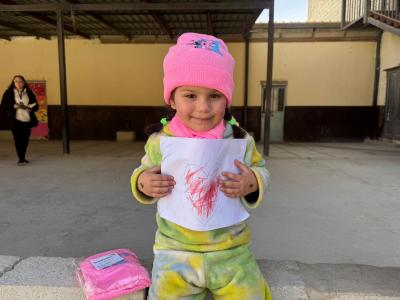
United Nations Office for the Coordination of Humanitarian Affairs (UNOCHA)
article / August 31, 2026
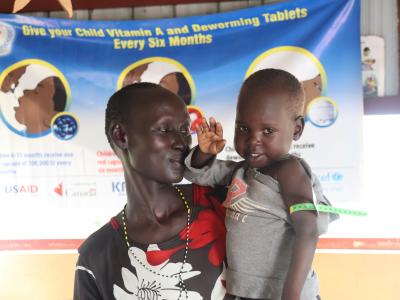
From depletion to delight: How little Chol found his smile Again
“Chol's recovery is a testament to the power of timely intervention and a mother's dedication. When Adut first arrived, she was anxious. But she followed every feeding instruction perfectly. Seeing Chol walk out of our clinic healthy, and thriving is exactly why we do this work every day,” adds Aluel Teresa, World Vision’s Community Nutrition Worker.
article / August 27, 2026
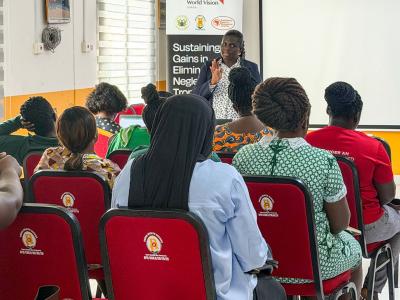
World Vision Ghana Trains over 270 Health Workers to Strengthen Community-Based Surveillance and Care for Neglected Tropical Diseases
World Vision Ghana, in partnership with the National NTD Programme, is strengthening community-based surveillance and care for neglected tropical diseases through the training of frontline health workers, improving early detection, referrals, NHIS enrolment and access to essential healthcare services.